

一 | 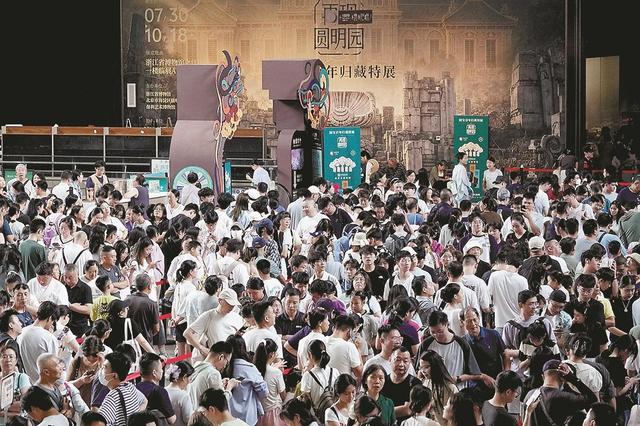
二 | Recent discoveries in Pompeii are revealing the lifestyle of the middle class in the ancient Roman city. Pompeii’s archaeological park announced its findings on Saturday. While much of the early studies of Pompeii were focused on the city’s elite, archeologists have increasingly become interested in the lives of the city’s middle and lower classes.,The excavation of a home or “domus” started in 2018 and is now paying dividends. The house had a courtyard with a well-adorned cistern or water tank, but other parts of the house show that the owner may not have had unlimited funds to decorate their house. One of the five rooms was left unpainted and with an earthen floor. Archeologists believe it may have been used for storage.,They also identified a bedroom with the remains of a bedframe and cloth from a pillow. The bedframe appeared identical to three cots found in a storage room that may have also served as sleeping quarters for enslaved people in the city.,Science & TechVideos: Archeologists Discover IKEA-Like Adjustable Beds in Ancient Roman City of Pompeii8 November 2021, 02:29 GMT,Another storeroom had built-in shelves and may have held dishes and cookware for a nearby kitchen. Archaeologists also discovered a storage trunk. While the trunk itself was damaged when the ceiling collapsed on it, they found a preserved oil lamp with carvings of the Greek god Zeus, called Iupiter by the Romans, transforming into an eagle.,"In the Roman empire, there was an ample chunk of the population that struggled with their social status and for whom 'daily bread,' was anything but a given,'' Gabriel Zuchtriegel, Pompeii’s archaeological park’s director said. "A vulnerable class during political crises and food shortages, but also ambitious about climbing the social ladder.",Archaeologists also found a fragment of what they believe was a translucent plate rimmed with emerald and cobalt blue and an intact incense burner shaped like a cradle.。记者 李忠 摄" />8月5日,观众在特展前有序排队。记者 李忠 摄杭州日报讯 排队5小时,只为和圆明园兽首“对视”一眼。浙江省博物馆之江馆区的“再现圆明园——国宝百年归藏特展”自7月30日开放以来,即成“顶流”,蜿蜒的长队,成了今夏最“吸睛”的文化风景之一。

三 | 为此,博物馆还对该展览实行起单独预约参观制,以营造更舒适、从容的观展环境。此次特展最重磅的展品就是位于展厅正中间的四尊铜像兽首原件了,它们分别是虎首、猴首、猪首、牛首。

四 | 四尊兽首,凭什么让人心甘情愿“苦等”?答案或许不仅仅在铜器本身的工艺价值,更在其承载的百年沧桑与民族记忆。回归,是漫长的重逢。在1860年英法联军的劫掠中,十二兽首流散海外。近年来,通过官方和民间多方追索,其中的七尊陆续回归。据中国文物学会统计,1840年鸦片战争以后,超过1000万件中国文物流失到欧美、日本和东南亚等国家及地区,其中国家一、二级文物达100余万件。每一件流失文物背后,都有一段曲折沧桑的历程;每一次流失文物“回家”,都为中华民族伟大复兴之路标下鲜明注脚。国宝回家,不仅是物质实体的归来,更促进文化自觉的提升与文化自信的增强。在这股热潮中,年轻人的身影格外瞩目。互联网上,“90后”“00后”用微短剧的形式,采取“文物拟人化”的表达,讲述海外文物漫漫回家路。此前,网络短剧《逃出大英博物馆》引爆全网,一句“你要带我回中国吗?”戳中无数国人的心。

五 | 成千上万的网友留言:“希望家国永安,期待流失海外的中国文物都能早日回家”。

六 | 今天的年轻人正用鲜活的方式,完成对历史的“补课”。他们追的不仅是“顶流”文物,更是文化认同与家国情怀。

七 | 故土春风中。“国宝回家”不是故事的终点,而是一个全新的起点。

八 | 文物回归,不只是简单的重量级国宝“物归原主”,更深层次的意义在于,在“今”与“昔”的强烈对比中,增强文化自信,凝聚起民族精神。此外,通过回归文物展览、专题讲座等形式,也让一次次文物回归成为民众积极参与的文化活动,彰显着中华儿女守护民族记忆、传承历史文脉的坚定决心。

九 | 回归,是漫长的重逢。文物不仅属于过去,更属于现在和未来。期待着有更多流失国宝结束漂泊,踏上归途,在“原生地”重焕光彩。
Current article:http://uqwfsb.taokenlaichunlei.bond/ro8zss/t735.html
Published on:11:34:48


